
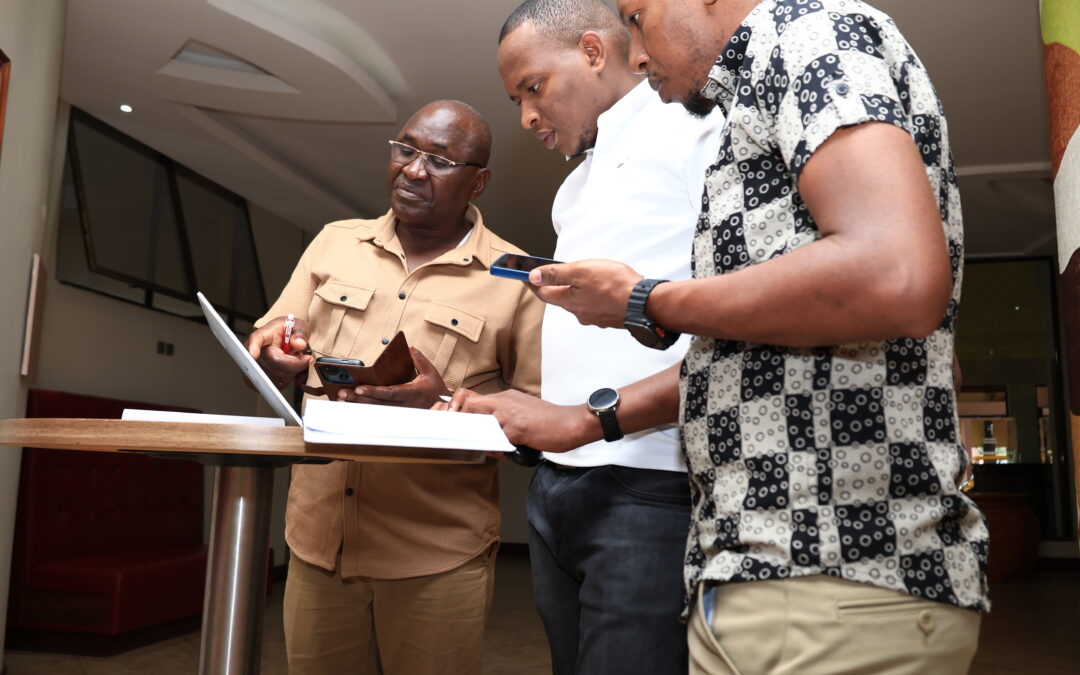
A structured mentorship, supervision, and coaching framework builds strong African education researchers and gives them room to grow and influence education policy and practice.
Recognising this, HERI Africa initiative brought universities and research organisations together to develop a Mentorship, Supervision and Coaching (MSC) Framework. The framework aims to improve support for graduate students, supervisors, and early-career researchers, and to help institutions build more structured, lasting ways to develop research capacity.
The framework was drafted at a three-day workshop held from 26th to 28th October 2026 in Naivasha. The African Population and Health Research Center (APHRC), a HERI Africa learning partner, convened the workshop, which drew representatives from universities and organisations that support education research across the continent.
The work responds to recurring problems in Africa’s higher education and research sector: few graduate students can access structured mentorship, many are not adequately prepared for research, and early-career researchers get too little institutional support. Participants agreed that fixing this means building individual skills and also changing the institutional systems researchers work in.
“This is part of HERI Africa’s initiative of strengthening individual and institutional capacities and the quality of education research,” said Dr Lucy Wakiaga from APHRC. “We came together to create this framework, which is meant to support graduate students, their supervisors and early-career researchers, and to contribute to an enabling environment for effective education research.”
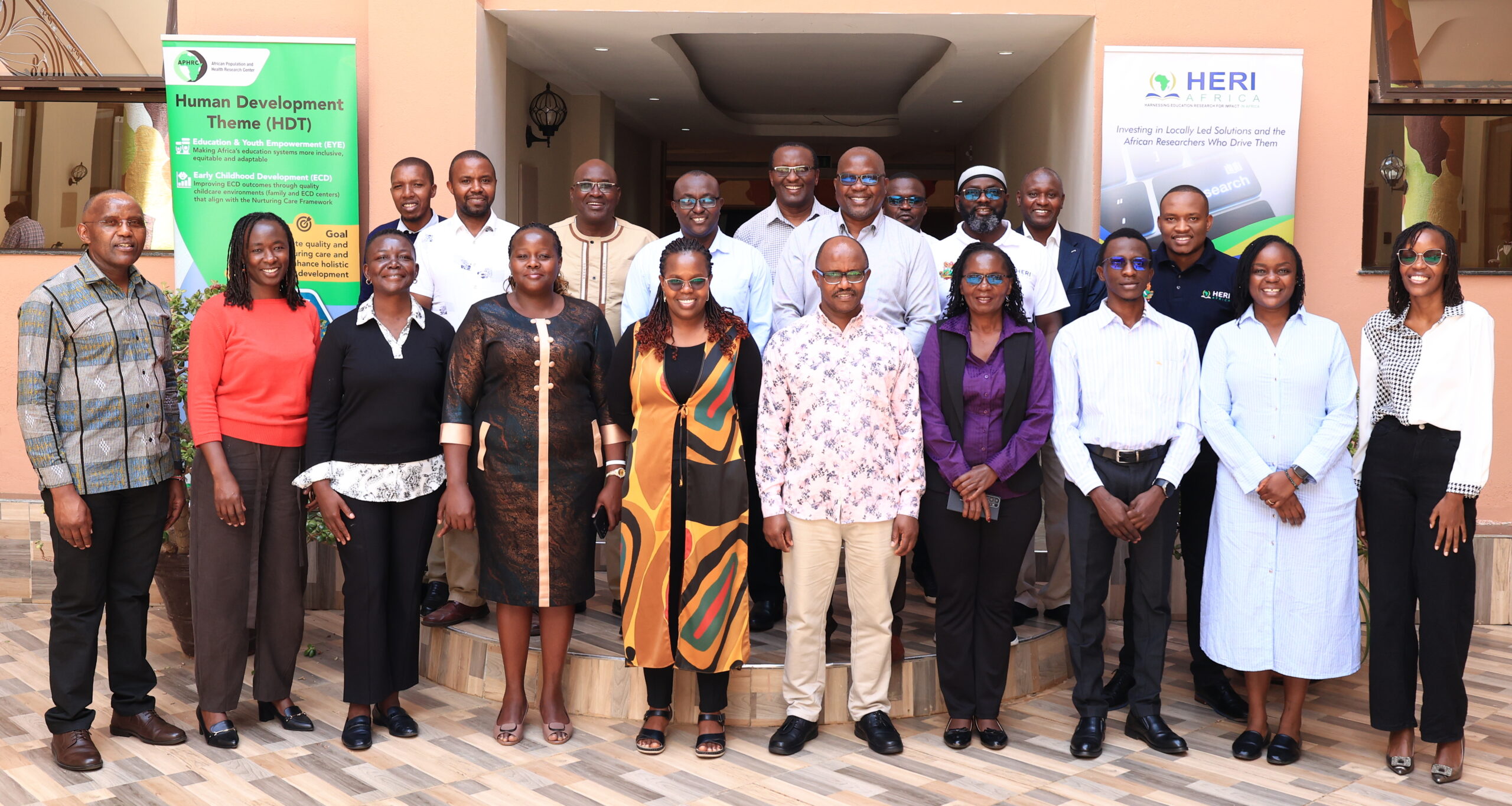
Representatives from HERI Africa partner institutions and organisations during the Mentorship, Supervision and Coaching (MSC) Framework in Naivasha
Starting from how institutions work
For HERI Africa, the framework is a step towards strengthening the people and institutions that quality education research depends on.
“One of the key goals of HERI Africa is to enhance the capacity of early-career researchers and of the supervisors who will guide them,” said Dr Hezron Mogaka, Director of HERI Africa. “This framework sets the boundaries within which their competences and skills will be built, so that supervisors can strengthen their supervision and early-career researchers, who are the future leaders of education research, gain the right skills.”
Lessons from organisations doing the work
Rowena Ndakwe, Senior Strategy and Impact Lead at Mawazo Institute, spoke about the institute’s work with African women PhD researchers, which helps them turn their research into policy, innovation and academic leadership. Mawazo currently works with 151 women at 66 universities in 28 African countries, offering mentorship, research funding, skills development and peer support.
She said women doctoral researchers still face systemic obstacles. Mawazo’s data show that 94% of the women in its network struggle to access mentorship and coaching, and 48% name their supervisors as a major barrier to finishing their PhDs.
“One of the things we have learned from working with these women is that they face deep systemic issues that affect their PhD completion and their ability to turn their research into impactful work, and supervision is one of them,” she said.
Ndakwe welcomed the MSC Framework and said it could help institutions take a more consistent approach to supporting researchers.
From drafting to adoption
The workshop produced a draft that will be refined and validated. Dr Wakiaga said the next step is to finalise the draft and share it with the partners who helped create it, then invite other state and non-state actors to contribute.
Once validated, the framework will be available through APHRC’s Virtual Learning Academy, in its communities of practice platform, where graduate students, supervisors, early-career researchers and other interested people can use it. The HERI Africa Secretariat will also host it and work with partner institutions to build supervisors’ capacity and support institutional milestones.
“This is a living document, subject to change,” Dr Wakiaga said. “New and emerging issues keep arising, such as artificial intelligence, and the framework has room for them.”
The framework will also support HERI Africa’s National Education Research Agenda by building the capacity of researchers and institutions to work on priority education research areas.
Dr Wakiaga said the framework should reach beyond the institutions taking part in HERI Africa.
“HERI Africa is not an initiative for Kenya only; it is an initiative for Africa,” she said, adding that learning resources should be shared across the continent and beyond. She said adoption will depend on the commitment and goodwill of partner institutions and other supporters.
Dr Mogaka asked participating universities to take ownership of the framework by involving their faculties, supervisory teams, graduate students and early-career researchers. He stressed that it should be built into institutional systems and operations so mentorship, supervision, and coaching continue as regular practice and do not depend on a single programme.
Getting the word out
Izel Kipruto, Director of Communications Strategy at ESSA, spoke about the role of communication in building awareness, understanding and adoption, saying how the framework is communicated will affect whether it reaches the people it is meant for.
“As ESSA, we believe in a solutions-oriented approach,” Kipruto said. “This framework should be used to address the issues facing research in Africa, and the way we talk about it will influence whether it is adopted and put to work.”
She asked media organisations, partners and institutions to describe the framework accurately once it is published, so that its purpose, scope and intended use are clear. She also encouraged partners to share it and to create chances to discuss and apply it.
Learn more about the framework from the story covered by The Standard in the link below:
https://www.standardmedia.co.ke/education/article/2001561368/new-framework-seeks-to-address-mentorship-gaps-in-african-universities
Inspiring effort, keep it up